Amish Shoofly Pie: Discover Pennsylvania Dutch Heritage in Every Bite
Imagine a dessert so irresistible, so steeped in tradition and comforting flavors, that its very aroma commands attention. This is the essence of
Amish Shoofly Pie, a beloved classic that transcends mere sweetness to offer a true taste of Pennsylvania Dutch heritage. Far from a simple pie, it’s a culinary journey into the heart of a culture renowned for its wholesome, simple, and incredibly satisfying comfort food. With its distinctive molasses-rich filling and irresistible crumb topping, shoofly pie is more than just a treat; it’s a story baked into every luscious bite.
What Exactly is Amish Shoofly Pie? A Culinary Deconstruction
At its core,
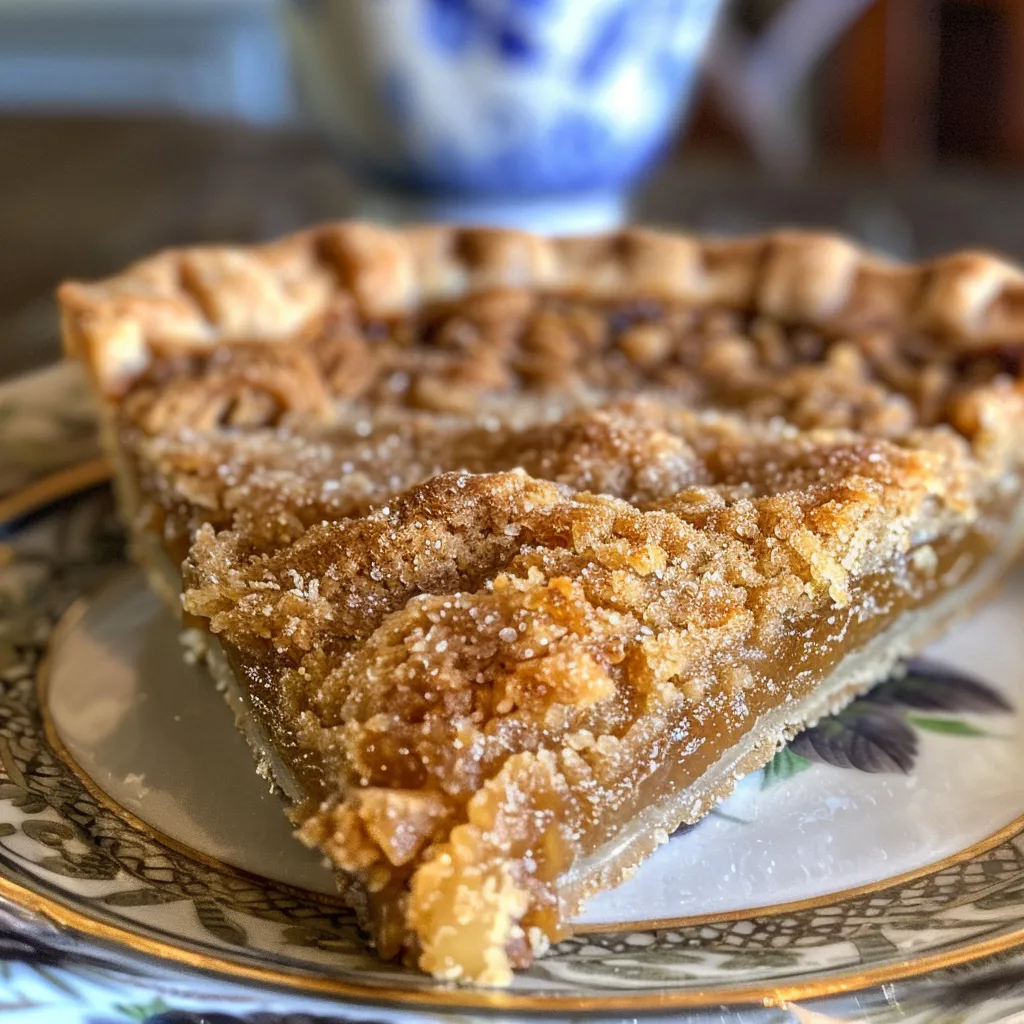
Amish Shoofly Pie is a molasses crumb pie, but that simple description barely scratches the surface of its unique appeal. This iconic dessert typically comes in two main forms: the "dry bottom" and the more famous "wet bottom." The "wet bottom" style, particularly cherished in Pennsylvania Dutch country, features a distinct, almost gooey layer of sweet molasses custard at the bottom, topped by a lighter, cake-like crumb. The contrast between these two textures – the rich, sticky base and the buttery, slightly crisp crumb – is what makes shoofly pie so utterly captivating.
The filling itself is a celebration of molasses, offering a deep, earthy sweetness with a subtle, pleasing bitterness that prevents it from being cloyingly sweet. This complexity is often enhanced by warm baking spices, creating an aromatic profile that is both nostalgic and inviting. The crumb topping, a delightful mixture of flour, butter, and brown sugar, adds not only texture but also a gentle counterpoint to the intensity of the molasses. Many describe it as the Amish equivalent of a coffee cake, transformed into a decadent pie. It's a testament to the ingenuity of home bakers who, with humble pantry staples, created a dessert that has stood the test of time.
Unraveling the Enigmatic Name: Why "Shoofly"?
Perhaps one of the most charming aspects of
Amish Shoofly Pie is its intriguing name. The legend behind "shoofly" is as rich and layered as the pie itself, sparking curiosity and a touch of folklore around this sweet treat. The most popular theory suggests that the open molasses mixture, cooling on windowsills in traditional kitchens, was incredibly attractive to flies. Bakers would then have to constantly "shoo" them away to protect their prized creation – hence, "shoofly" pie. It paints a vivid picture of a simpler time, when fresh pies were a common sight, and the battle against persistent insects was a daily occurrence.
Another theory, perhaps less romantic but equally plausible, posits that the name was simply a fun, catchy moniker for what might otherwise be a more straightforward "Molasses Crumb Pie." Regardless of its true origin, the name has stuck, adding an element of whimsy and intrigue to a dessert that might otherwise be overlooked. It invites us to ponder the practicalities and playful spirit of early Amish bakers. To delve deeper into the fascinating lore surrounding this dessert, you might enjoy reading
Shoofly Pie: Unraveling the Legend Behind This Amish Classic. Whatever the truth, the name "shoofly" has become synonymous with a unique piece of American culinary history.
A Taste of Pennsylvania Dutch Heritage: The Origins of Shoofly Pie
The story of
Amish Shoofly Pie is inextricably linked to the Pennsylvania Dutch community, where it originated and flourished. This region, known for its distinct cultural traditions and robust agricultural practices, gave rise to a culinary tradition characterized by hearty, comforting, and often ingeniously simple dishes. When people think of Amish cooking, along with staples like chicken corn soup, homemade cinnamon rolls, and friendship bread, shoofly pie inevitably comes to mind. It represents the very essence of Amish ingenuity – taking readily available, budget-friendly ingredients and transforming them into something extraordinary.
While some debate its absolute prevalence in every Amish home across the Midwest today – with fruit pies and oatmeal pies sometimes being more common – there's no denying its iconic status, especially in its Pennsylvania Dutch homeland. The "wet bottom" style, in particular, is a hallmark of authentic shoofly pie from this region. It's a dessert that speaks volumes about a community that values tradition, resourcefulness, and the joy of sharing simple, delicious food. Baking an
Amish Shoofly Pie is not just making a dessert; it’s participating in a centuries-old tradition, bringing a slice of that rich heritage into your own home.
Crafting Your Own Slice of History: Tips for Baking the Perfect Amish Shoofly Pie
Baking an authentic
Amish Shoofly Pie is a rewarding experience, yielding a dessert that’s perfect for holidays, family gatherings, or simply a cozy evening treat. The good news is that it primarily uses common pantry staples, making it a budget-friendly and accessible baking adventure. Here are some key tips to ensure your pie is a resounding success:
*
Embrace the Molasses: Molasses is the star here. Use good quality molasses for the deepest, most authentic flavor. The slightly bitter, robust notes are essential for balancing the sweetness and achieving that signature taste.
*
Achieving the Wet Bottom: The secret to the beloved "wet bottom" lies in the careful layering and baking process. The liquid molasses mixture is poured into the pie crust first, followed by the crumb topping. During baking, the liquid settles, creating that distinct gooey layer at the bottom.
*
Temperature Control is Key: Many traditional recipes suggest starting with a higher oven temperature (around 425°F or 220°C) for a short initial bake (about 15 minutes), then reducing it to a moderate temperature (350°F or 175°C) for the remainder (20-30 minutes). This helps the crust set and the pie cook evenly without burning the crumb topping.
*
Patience in Cooling: As tempting as the warm, aromatic pie will be, it is absolutely crucial to let it cool completely before slicing. This allows the filling to set properly, ensuring that luscious "wet bottom" texture holds its shape. Rushing this step often results in a messy, unset pie. Think of it as allowing the flavors to meld and the structure to solidify – a test of true baker's patience!
*
Serving Suggestions: While delicious on its own, a slice of shoofly pie pairs wonderfully with a cup of hot coffee, a dollop of whipped cream, or a scoop of vanilla bean ice cream. The warmth and spices make it particularly comforting on a chilly day.
Rolling up your sleeves and trying your hand at this iconic dessert is a fantastic way to connect with a culinary past. For a detailed guide on creating this traditional delight, explore
Bake Authentic Shoofly Pie: Your Guide to a Wet Bottom Delight.
The Enduring Appeal of Amish Baking
Beyond the specific delight of
Amish Shoofly Pie, its popularity underscores a broader appreciation for the simple, honest, and comforting nature of Amish baking. These recipes, often passed down through generations, prioritize flavor, texture, and the use of wholesome ingredients over elaborate techniques or exotic components. They remind us of a time when food was made with care, intended to nourish and bring people together. The charm of an
Amish Shoofly Pie lies not just in its taste, but in the story it tells – of heritage, community, and the enduring power of a truly good, old-fashioned dessert. It's an invitation to slow down, savor a slice of history, and experience the magic that humble ingredients can create.
In conclusion,
Amish Shoofly Pie is much more than just a sweet treat; it's a cultural artifact, a comforting memory, and a testament to the rich culinary traditions of the Pennsylvania Dutch. From its fascinating name and distinctive "wet bottom" to its deeply satisfying molasses flavor, every element of this pie speaks to a heritage of simplicity, resourcefulness, and deliciousness. Whether you're a seasoned baker or new to the world of traditional desserts, discovering this classic is a journey well worth taking. So, embrace the tradition, gather your ingredients, and prepare to bake a slice of history that will captivate your senses and delight everyone fortunate enough to try it.