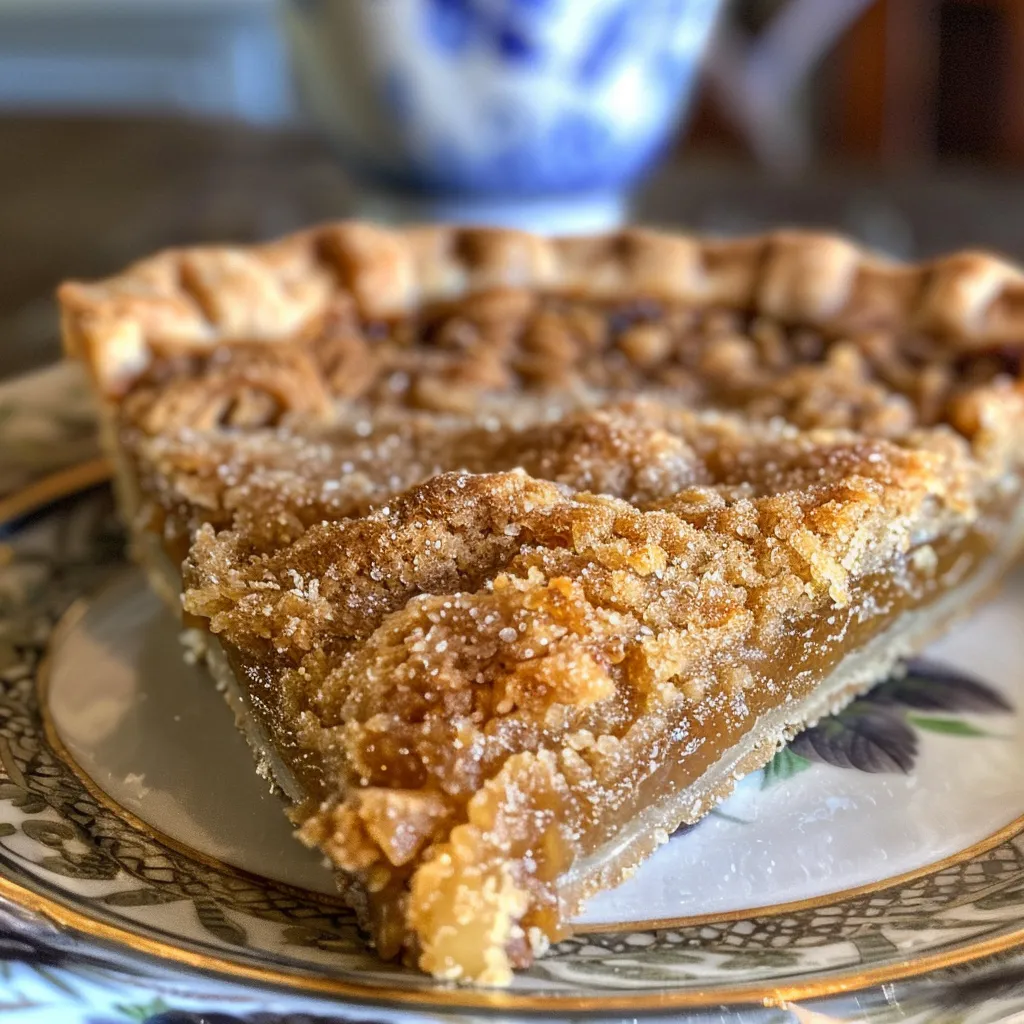
Shoofly Pie: Unraveling the Legend Behind This Amish Classic
Few desserts evoke such a strong sense of tradition, comfort, and curious folklore as the `amish shoofly pie`. More than just a simple molasses crumb pie, it’s a culinary emblem of Pennsylvania Dutch heritage, a sweet whisper from simpler times. With its distinctive gooey "wet bottom" and rich, crumbly topping, this pie has captivated generations of bakers and eaters alike. But what truly makes it an enduring classic, and where does its peculiar name come from? Join us as we peel back the layers of flour, butter, and molasses to uncover the fascinating story behind this beloved Amish staple.
The Sweet Mystery: Unraveling the "Shoofly" Legend
The name "Shoofly Pie" is perhaps its most whimsical and debated characteristic, sparking curiosity and conjuring vivid images. While its taste is undeniably alluring, the origin of its moniker remains a delightful blend of practical necessity and playful speculation.
A Name Rooted in Necessity (or Whimsy?)
The most widely accepted — and certainly the most charming — theory behind the name posits a very real, very sticky problem. Imagine an Amish kitchen, windows open to catch a breeze, and a freshly baked pie cooling on the windowsill. This `amish shoofly pie`, rich with aromatic molasses, would have undoubtedly sent out an irresistible siren call to local flies. Bakers, keen to protect their prized creation, would have had to constantly "shoo" the persistent insects away. The image of a diligent baker waving a hand or a fly swatter over a cooling pie provides a quaint, memorable origin story, making the pie’s name a direct reflection of its irresistible allure to all creatures, great and small.
However, some argue that the name might simply be a more appealing, fun alternative to the straightforward "Molasses Crumb Pie." Perhaps a clever baker or marketer in generations past decided a catchy, evocative name would help it stand out. Regardless of its exact genesis, the name itself adds to the mystique and charm of this classic dessert, inviting a smile and a moment of wonder with every slice. What's undeniable is that whether it was named for its magnetism to flies or for sheer whimsy, the pie’s legendary deliciousness is the true draw that continues to bring people back for more.
What Makes an Amish Shoofly Pie Truly Classic?
Beyond its intriguing name, the `amish shoofly pie` stands out due to its unique composition and the unparalleled flavor profile it delivers. It's a testament to the ingenuity of using simple, readily available pantry staples to create something extraordinary.
The Iconic Wet Bottom vs. Dry Bottom Debate
At the heart of the authentic `amish shoofly pie` experience lies its signature "wet bottom." This distinct characteristic refers to the luscious, gooey layer of dark, caramelized molasses that settles at the very bottom of the pie, beneath a fluffy, cake-like middle, and a generous, crumbly topping. This rich, sticky foundation is what truly sets it apart from other crumb-topped pies. The molasses, a cornerstone of this recipe, is not just a sweetener; it's the very soul of the pie, offering a deep, slightly bitter sweetness that is incredibly complex and satisfying. This distinct flavor differentiates it from overtly sugary modern desserts, grounding it in a wholesome, old-fashioned appeal.
In contrast, a "dry bottom" shoofly pie has a more uniform, cake-like texture throughout, lacking that distinctive molasses-rich lower layer. While still delicious, it's considered less traditional and doesn't offer the same textural and flavor complexity as its wet-bottomed counterpart. The key to achieving that perfect wet bottom often involves a specific layering technique and careful baking, allowing the molasses mixture to sink and caramelize into a distinct, irresistible layer.
The pie is further elevated by its crumb topping, a delightful mixture of flour, butter, and brown sugar, often spiced with cinnamon. This crumb layer provides a beautiful textural contrast to the gooey filling below, offering a satisfying crunch that complements the soft, moist interior. It’s no wonder many describe it as the Amish version of a coffee cake, but in pie form – a comforting, robust dessert perfect for any occasion.
The Art of Baking the Perfect Shoofly
Creating an authentic `amish shoofly pie` is surprisingly straightforward, relying on simple ingredients and a time-tested method. The process typically involves preparing the rich molasses filling, crafting the buttery crumb topping, and assembling them in a pie crust. While the steps are easy to follow, a few nuances elevate a good pie to a great one.
One critical, often overlooked step is allowing the pie to **cool completely** before slicing. As tempting as the warm, molasses-infused aroma might be, patience is paramount. Cooling allows the wet bottom to properly set and firm up, ensuring that gooey, distinct layer holds its form when cut. Rushing this step can result in a runny, less satisfying pie.
Baking temperatures also play a role. Many traditional recipes suggest starting at a slightly higher temperature for a short period, then reducing it to a moderate setting for the remainder of the bake. This initial burst of heat can help set the crust and crumb, while the lower temperature ensures the molasses filling cooks through without burning. The result is a golden-brown crumb, a soft, cakey middle, and that perfectly set, deeply flavored wet bottom. For those looking to master this classic, learning to
Bake Authentic Shoofly Pie: Your Guide to a Wet Bottom Delight can provide invaluable insights into achieving perfection.
Beyond the Kitchen: Shoofly Pie in Amish Culture
For many outsiders, shoofly pie is almost synonymous with Amish cooking, often appearing on lists alongside chicken corn soup and homemade cinnamon rolls as a quintessential taste of the culture. It embodies the values of resourcefulness and simple, satisfying fare that are hallmarks of Amish culinary traditions.
While it is undeniably an iconic representation of Pennsylvania Dutch heritage, its prevalence within actual Amish homes can vary. Some anecdotal evidence suggests that in certain regions, like the Midwest, fruit pies or oatmeal pies might be more frequently found on Amish tables for everyday consumption. However, in Pennsylvania Dutch country, the `amish shoofly pie`, particularly the traditional wet bottom style, holds a special place, often featured at community gatherings, church events, and family celebrations. Its strong association with the culture for the broader public speaks to its distinctive character and the widespread appeal of its unique flavor. It's a dessert that tells a story, offering a bite of history and a taste of heritage that resonates deeply. To truly appreciate its cultural significance, one must understand how it connects to the broader narrative of traditional American baking, as explored in articles like
Amish Shoofly Pie: Discover Pennsylvania Dutch Heritage in Every Bite.
Making Your Own Slice of History: Tips for Home Bakers
Embracing the tradition of the `amish shoofly pie` in your own kitchen is a rewarding experience. It's a budget-friendly dessert that relies on accessible ingredients, transforming them into a masterpiece of comfort food.
Essential Ingredients & Substitutions
*
Molasses: This is the star. Opt for a dark, robust molasses (like unsulphured blackstrap or a dark baking molasses) for the most authentic and profound flavor. Lighter molasses can be used for a milder taste, but the deep, slightly bitter notes of darker varieties are what truly define this pie. Avoid blackstrap if you find it too intense; a robust unsulphured molasses is often the sweet spot.
*
Crumb Topping: The foundation of flour, butter, and brown sugar is straightforward. For an extra layer of flavor, don't skimp on the cinnamon or even a pinch of nutmeg. Using cold butter, cut into small pieces, will help create a perfectly crumbly texture.
*
Pie Crust: A homemade flaky pie crust elevates the experience, but a good quality store-bought crust is perfectly acceptable for convenience. The focus here is often on the filling and topping.
Troubleshooting Common Shoofly Challenges
*
Wet Bottom Not Setting: The most common issue! The key is **complete cooling**. Don't cut into the pie until it's been allowed to cool for at least 3-4 hours, or even overnight at room temperature. The molasses needs time to solidify and become gooey. If it's still too liquid after adequate cooling, it might have been slightly underbaked.
*
Crumb Topping Too Dry or Soggy: A good crumb topping should be distinct. If it's too dry, it might have baked too long or at too high a heat. If it's soggy, there might be too much moisture in the filling, or the pie wasn't baked long enough to crisp the crumbs. Ensure your butter is cold when making the crumbs for the best texture.
*
Over-Browning: If the crust or topping starts to brown too quickly, loosely tent the pie with aluminum foil during the remainder of the baking time.
Embrace the simplicity and the history. Roll up your sleeves and let the baking adventure begin – you won't regret experiencing this delightful taste of Americana.
Conclusion
The `amish shoofly pie` is far more than just a dessert; it’s a delicious narrative baked into every slice. From the charming legend of its name to the distinctive "wet bottom" that defines its authenticity, this pie offers a unique blend of heritage, comfort, and undeniable flavor. It speaks to the enduring appeal of simple, wholesome ingredients transformed into something profoundly satisfying. Whether you're drawn to its historical roots, its rich molasses warmth, or the comforting crunch of its buttery topping, baking an `amish shoofly pie` invites you to partake in a beloved tradition. So go ahead, prepare this sweet masterpiece, let its comforting aroma fill your home, and discover for yourself the magic that has made this Amish classic an enduring legend.